The Definitive Guide to Luxury Glass Sunroom America | High-End Design
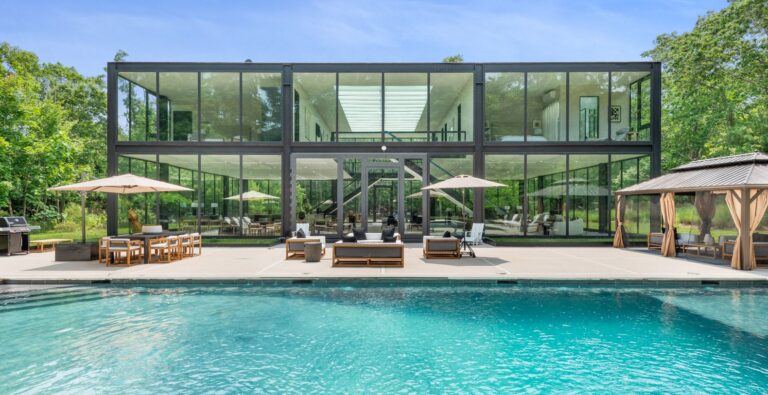
The concept of the glass enclosure has undergone a profound metamorphosis in the American residential landscape. What once began as a modest utilitarian porch or a seasonal conservatory has evolved into a sophisticated architectural feat of engineering and climate control. Luxury Glass Sunroom America. This shift is not merely aesthetic; it represents a convergence of advanced material science, structural innovation, and a fundamental change in how the modern homeowner perceives the boundary between interior sanctuary and the natural world.
In the contemporary context, integrating a high-end glass structure into a primary residence requires navigating a labyrinth of thermal dynamics, structural load requirements, and site-specific environmental factors. The pursuit of maximum transparency often conflicts with the necessity of energy efficiency and privacy. Successfully reconciling these opposing forces is what separates a standard addition from a true architectural legacy. To understand the current state of these structures, one must look past the surface-level visual appeal and examine the systemic complexities of their design and execution.
This analysis serves as a definitive exploration of the high-performance glass envelope in residential applications. We will move beyond the common nomenclature to investigate the mechanical, financial, and logistical realities of creating year-round, light-filled environments. The following sections provide a rigorous framework for evaluating the design, procurement, and long-term stewardship of these significant capital investments.
Understanding “luxury glass sunroom america”
The phrase luxury glass sunroom america carries a weight that is often oversimplified by regional builders and mainstream media. From an editorial standpoint, “luxury” in this sector is not defined by ornamentation, but by the invisibility of effort—the ability of a structure to maintain a perfect internal environment regardless of external volatility. In the American market, this term differentiates a “four-season” conditioned space from the lighter, uninsulated solariums common in mid-century developments.
A frequent misunderstanding involves the assumption that glass is a singular commodity. In high-tier residential projects, the glass is actually a multi-layered, technologically dense component involving rare-earth metal coatings, noble gas fills, and structural interlayers. To overlook the technical specifications of the glazing is to risk creating a space that is unusable for six months of the year due to solar gain or heat loss.
Furthermore, “iconic” status in this category is increasingly tied to the concept of the “seamless transition.” The goal is often the elimination of the visual break between the existing home and the new structure. This requires an understanding of diverse regional climates—from the humid subtropics of Florida to the freeze-thaw cycles of New England—making the American context particularly challenging due to its varied regulatory and environmental landscape.
Historical and Systemic Evolution
The American glass room traces its lineage back to the European orangeries of the 17th century, but its trajectory in the United States took a distinct turn during the industrial revolution. The development of plate glass and the steel industry allowed for larger spans and thinner profiles. However, these early structures were notorious for being “furnaces in summer and iceboxes in winter.”
The Post-War Pivot
Following World War II, the rise of the American suburb saw a surge in “Florida rooms” and screened porches. These were predominantly low-tech, seasonal additions. It wasn’t until the energy crises of the 1970s that the industry began to prioritize thermal performance. This era introduced the first widespread use of double-pane glass in residential enclosures, paving the way for the high-efficiency systems seen today.
The Contemporary Era
Today, we are in a phase of “Integrated Performance.” The modern sunroom is no longer an “add-on” but a fully integrated wing of the house. It utilizes structural silicone glazing, thermally broken aluminum frames, and automation systems that sync with the home’s central HVAC. We have moved from mere “shelter” to “active environment.”
Conceptual Frameworks and Mental Models
To effectively plan or evaluate a high-end glass structure, one must adopt specific mental models that prioritize systemic health over visual novelty.
-
The Thermal Envelope Integrity Model: This framework treats the sunroom as a distinct thermal zone. It forces the designer to account for the “weakest link” in the insulation chain—usually the mullion or the door threshold—rather than relying on the average R-value of the glass alone.
-
The Atmospheric Pressure Balancing Model: Especially relevant in large-volume glass rooms, this model focuses on how air moves between the old and new structures. It prevents the “chimney effect,” where the sunroom pulls conditioned air out of the main house.
-
The Lifecycle Stewardship Model: This views the sunroom as a 50-year asset. It shifts the focus from initial construction costs to the “Total Cost of Ownership,” including the energy required to maintain comfort and the specialized labor needed for glass replacement or seal repair.
Taxonomy of Systems: Materials and Trade-offs
Selecting the structural backbone of a luxury glass sunroom america involves critical trade-offs between strength, maintenance, and thermal conductivity.
| Framing Material | Structural Benefit | Thermal Limitation | Maintenance Profile |
| Thermally Broken Aluminum | High strength-to-weight; slim profiles | High conductivity if breaks fail | Extremely low; resistant to rot/pests |
| Engineered Timber (Glulam) | Natural aesthetic; excellent insulation | Susceptible to UV degradation | High; requires regular staining/sealing |
| Steel-Reinforced Vinyl | Cost-effective; good insulation | Limited spans; prone to warping in heat | Moderate; can become brittle over time |
| Stainless Steel / Hybrid | Maximum structural span; industrial look | Very high cost; difficult to fabricate | Low; highly durable in coastal areas |
Decision Logic: Glazing Specifications
The choice of glass is the most significant decision in the project. Most high-tier American projects utilize Low-E 366 or similar triple-silver coatings. The logic is simple: in the U.S., cooling costs generally outweigh heating costs in glass-heavy structures. Therefore, a low Solar Heat Gain Coefficient ($SHGC$) is prioritized over high light transmittance to prevent the “greenhouse effect.”
Environmental Scenarios and Contextual Constraints Luxury Glass Sunroom America
Scenario 1: The Coastal Salt-Spray Environment
A glass room in the Hamptons or Malibu faces constant corrosive pressure.
-
Constraint: Hardware and fasteners will fail within five years if not made of marine-grade stainless steel.
-
Failure Mode: Pitting in the aluminum frames and clouding of the glass due to salt accumulation.
-
Requirement: High-pressure rinse systems and specialized salt-resistant coatings.
Scenario 2: The High-Snow Load Northern Interior
In states like Montana or Michigan, the roof of a sunroom must support thousands of pounds of snow.
-
Constraint: Laminated glass is mandatory for the roof to prevent injury during breakage.
-
Second-Order Effect: Snow accumulation creates a “light blackout,” defeating the purpose of the room for weeks at a time.
-
Resolution: Integrating radiant heating wires into the roof glazing to melt snow upon contact.
Economic Dynamics: Investment, Lifecycle, and Value
A premium glass enclosure is a significant financial undertaking. It is rarely a “DIY” or a “general contractor” task; it requires specialized glazing engineers.
| Investment Tier | Est. Cost (Per Sq Ft) | Included Technology |
| Premium Custom | $400 – $700 | Standard Low-E, thermally broken aluminum |
| Ultra-Luxury | $800 – $1,500+ | Triple glazing, smart tinting, curved glass |
| Architectural Heritage | $2,000+ | Structural glass walls, zero-profile frames |
Opportunity Cost: Choosing a cheaper glass makeup may save $20,000 on the build but can lead to a 40% increase in the home’s total monthly energy bill. In the luxury market, the resale value is tied directly to the room’s year-round usability; a “hot room” is a liability, not an asset.
Support Systems: Thermal, Atmospheric, and Structural
A sunroom is only as good as its hidden support systems.
-
Independent HVAC Zones: Never “tap into” the existing home ductwork. A glass room requires its own dedicated mini-split or heat pump system to handle rapid temperature swings.
-
Solar Tracking Sensors: Automated internal or external shading that reacts to the sun’s position, preventing heat from entering before the AC has to fight it.
-
Hydrostatic Pressure Management: For sunrooms at ground level, specialized drainage systems under the floor prevent water from being trapped against the glass tracks.
-
Acoustic Lamination: Glass is inherently bouncy for sound. Using varied thicknesses of glass in an IGU ($Insulated Glass Unit$) breaks up sound waves, making the room quiet during rainstorms.
The Risk Landscape: Failure Modes and Resilience
-
Thermal Stress Breakage: When one part of a glass pane is in deep shade and the other in hot sun, the temperature differential can cause the glass to crack.
-
IGU Fogging: The failure of the primary and secondary seals in a double-pane unit. Once the argon gas escapes and moist air enters, the unit is permanently compromised.
-
Differential Settlement: Because a sunroom is often a lighter structure than the main house, it may settle at a different rate, leading to jammed doors and cracked seals.
Governance, Maintenance, and Long-Term Adaptation
A luxury glass sunroom america requires a “maintenance mindset.” Owners should treat the structure like a high-performance vehicle.
The 5-Year Adaptation Checklist
-
Seal Re-caulking: Inspecting the perimeter where the glass meets the masonry.
-
Gasket Rejuvenation: Applying UV-protectant to rubber seals to prevent them from becoming brittle.
-
Sensor Calibration: Ensuring the automated shades and vents still respond to current light levels.
-
Structural Bolt Tensioning: In timber-frame systems, checking for wood shrinkage that might have loosened connections.
Measurement and Evaluation of Performance
Success should be measured quantitatively:
-
Delta-T Stability: The ability of the room to maintain a 72°F interior when the exterior is 95°F, measured by the HVAC run-time.
-
Visible Light Transmittance ($VLT$) vs. Comfort: Finding the “sweet spot” where the room feels bright but doesn’t require sunglasses to sit in.
-
Infiltration Rate: Using a blower-door test to ensure the seals are airtight.
Common Misconceptions and Industry Myths
-
“Tempered glass is enough for the roof”: False. Roof glass must be laminated so that if it breaks, it stays in the frame rather than falling like shards.
-
“Trees provide enough shade”: Trees lose leaves in winter and grow inconsistently. They are a supplement, not a substitute for high-performance coatings.
-
“Sunrooms are only for southern states”: With triple glazing and radiant floor heating, a glass room in Maine can be the warmest spot in the house in January.
-
“Glass is a maintenance nightmare”: Modern self-cleaning coatings ($Titanium Dioxide$) use UV light to break down organic dirt, which then washes away with rain.
Synthesis and Final Editorial Judgment
The pursuit of the perfect luxury glass sunroom america is a balance of human aspiration and physical reality. The most successful structures are those that do not try to fight the environment but rather negotiate with it through clever engineering.
As we look toward the future, the integration of vacuum-insulated glass ($VIG$) and carbon-neutral framing materials will likely become the new standard for the American “pillar” sunroom. The goal remains constant: to provide a space that captures the ephemeral beauty of the outdoors while providing the unyielding security and comfort of the indoors. It is an investment in light, well-being, and architectural permanence.