Best Glass Penthouses in the US: An Architectural & Structural Analysis
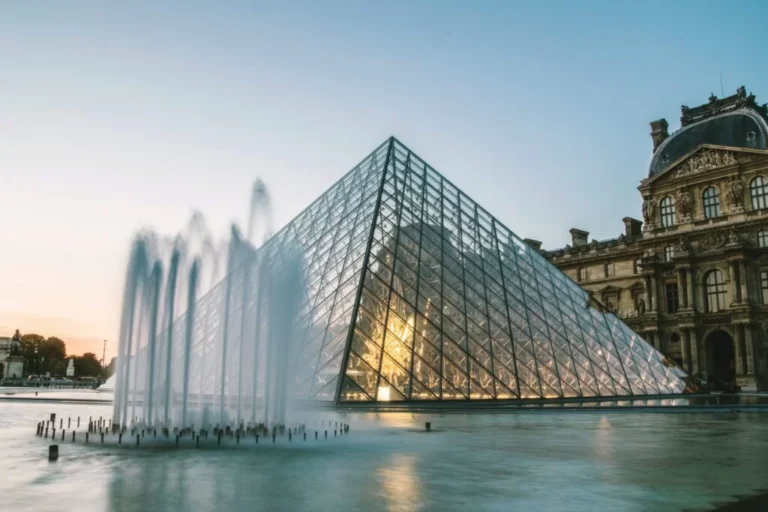
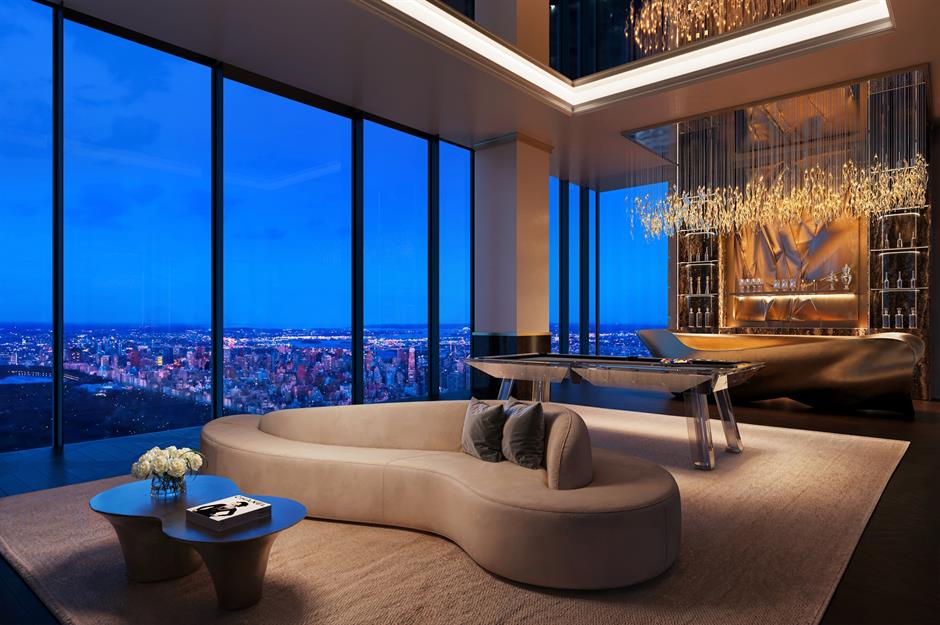
The evolution of the urban skyline is increasingly defined by a transparency that borders on the impossible. In the upper echelons of American residential architecture, the glass penthouse has transitioned from a mere symbol of transparency to a complex feat of environmental engineering and structural gymnastics. Best Glass Penthouses in the US. These structures are no longer just apartments with large windows; they are integrated “light boxes” designed to withstand extreme wind loads at altitude while providing a curated relationship with the surrounding atmosphere.
To evaluate these spaces, one must look beyond the panoramic views often highlighted in sales brochures. A truly superior glass residence is a high-performance envelope where the intersection of low-iron glass, structural silicone, and advanced thermal coatings determines the livability of the space. The tension between the desire for 360-degree visibility and the biological need for privacy and thermal comfort creates a unique set of design constraints that only the most sophisticated projects successfully navigate.
The domestic market for these vertical estates is concentrated in global hubs where zoning allows for extreme height and where the technology of the curtain wall has caught up to the ambitions of the ultra-high-net-worth individual. However, as cities become denser and climate volatility increases, the criteria for the “best” in this category are shifting. It is no longer enough to be high and clear; the modern glass penthouse must be resilient, acoustically isolated, and technologically adaptive.
Understanding “best glass penthouses in the us”
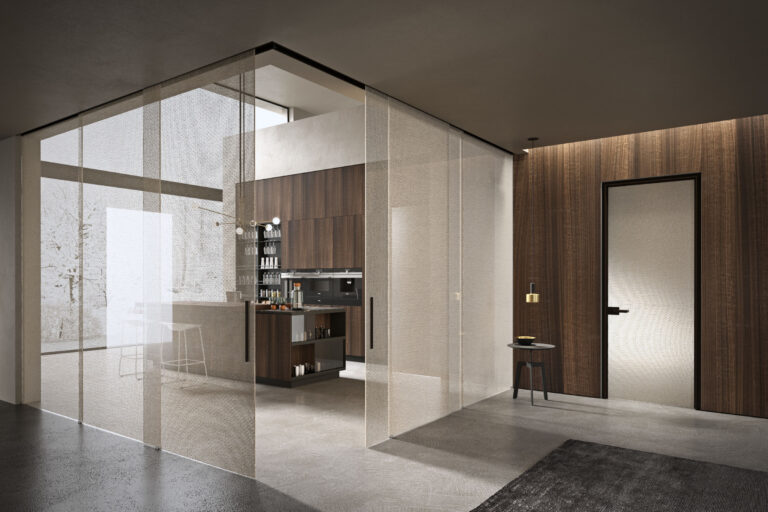
Identifying the best glass penthouses in the us requires a multi-perspective analysis that balances aesthetic purity with mechanical reality. To the layperson, a glass penthouse is defined by the view; to the engineer, it is defined by the lateral load-bearing capacity of the mullions and the U-factor of the glazing units. The term is often oversimplified to mean “floor-to-ceiling windows,” but in the context of top-tier architecture, it refers to a “total-enclosure” philosophy where the traditional wall is entirely replaced by a structural glazing system.
A significant misunderstanding in this niche is the assumption that more glass equals more light. In reality, without sophisticated light-diffusion strategies, a glass penthouse can suffer from extreme glare and “dead zones” where the brightness of the perimeter makes the center of the home feel unnervingly dark. The most successful examples utilize varied transparency—using fritted glass, motorized shading, or electrochromic layers—to control the “quality” of light rather than just the quantity.
Furthermore, the “best” residences are those that solve the paradox of the “fishbowl.” Living in a transparent box at the top of a city like New York or Chicago introduces psychological challenges regarding exposure. Superior designs incorporate architectural “veils”—cantilevered overhangs, recessed glazing, or landscaped terraces—that provide the resident with a sense of enclosure while maintaining the visual connection to the horizon.
Contextual Background: From the Glass House to the Supertall
The lineage of the American glass penthouse can be traced back to the mid-century modernism of Philip Johnson and Mies van der Rohe. Johnson’s “Glass House” in Connecticut established the aesthetic of the transparent volume, but it was a low-rise, temperate-zone experiment. The leap from a single-story glass pavilion to a 90th-floor penthouse required a revolution in material science.
In the 1970s and 80s, the introduction of the structural silicone sealant allowed for the “butt-glazed” look—eliminating bulky metal frames and creating the illusion of a continuous glass skin. As residential towers grew into “supertalls” (over 300 meters), the glass penthouse became the ultimate crown. Cities like Miami pioneered the use of hurricane-rated impact glass, while New York’s Billionaires’ Row pushed the limits of slender towers where the glass must accommodate the significant “sway” of the building without cracking.
Conceptual Frameworks for High-Altitude Transparency
The “Thermal Mass” Deficit Model
Glass has almost no thermal mass compared to concrete or stone. Therefore, the penthouse must be viewed as a “dynamic exchange” system. In this model, the HVAC is not a separate utility but an integrated partner to the glass, using radiant floor heating and perimeter “air curtains” to counteract the chill of the glass in winter and the solar gain in summer.
The Acoustic Isolation Framework
Sound behaves differently at high altitudes; wind whistling through a building’s crown can produce low-frequency drones. The best penthouses utilize laminated glass with acoustic interlayers that target specific decibel ranges, effectively “muting” the city while remaining visually open to it.
The “Sky-Frame” Hierarchy
This framework prioritizes the “bite”—the depth of the glass into the frame. As the height increases, the mechanical pressure on the glass edges grows. A superior glass penthouse is categorized by its ability to hide these massive structural requirements behind minimal, elegant profiles.
Categories of Glass Enclosures and Material Dynamics
| Category | Primary Benefit | Significant Trade-off | Regional Prevalence |
| Unitized Curtain Wall | Exceptional weather sealing; factory-quality control. | Visible vertical mullions; “office-like” aesthetic. | New York, Chicago |
| Point-Supported (Spider) Glass | Maximum transparency; no bulky frames. | Higher risk of air/water infiltration over time. | Los Angeles, Miami |
| Structural Glass Fins | Glass becomes the support structure itself. | Extreme cost; requires massive floor-to-ceiling heights. | San Francisco, NYC |
| Jumbo-Pane / Seamless | Uninterrupted 20ft+ vistas. | Logistics of crane-lifting at height; replacement difficulty. | Global Luxury Hubs |
Decision Logic: The “Environment-First” Approach
When choosing among these, the logic should follow the wind. In a hurricane zone like Florida, the “best” choice is a unitized system with multi-layer lamination. In a more temperate, seismic-active zone like Los Angeles, a point-supported system with flexible gaskets may be superior to allow for movement without catastrophic failure.
Real-World Scenarios: The Physics of Living in the Sky Best Glass Penthouses in the US
Scenario 1: The “Thermal Shadow” in Chicago
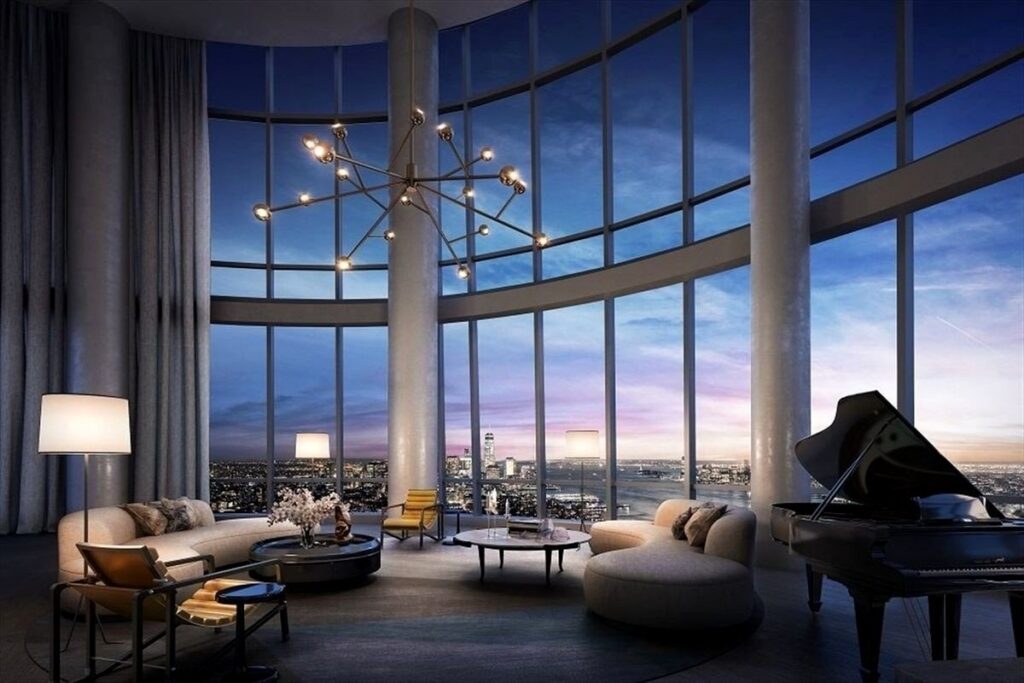
A penthouse with floor-to-ceiling glass faces the lake. During a “Polar Vortex,” the interior side of the glass can drop to freezing temperatures, creating a “cold radiation” effect that makes the perimeter unusable despite a 75°F thermostat. The solution involves triple-silver Low-E coatings and dedicated hydronic heating at the glass base.
Scenario 2: The High-Rise Sway in New York
In a slender supertall, the building may sway up to 3 feet in a storm. If the glass in the penthouse is too rigid, the structural stress will cause the seals to fail. The “best” designs incorporate “slip joints” in the glazing system that allow the glass to float independently of the building’s structural frame.
Planning, Cost, and Resource Dynamics
The financial profile of a glass penthouse is dominated by its “Life-cycle Cost” rather than just the purchase price.
| Resource Factor | Estimated Range (High-End) | Primary Variable |
| Glazing Cost (Initial) | $250 – $600 per sq/ft | Pane size and coating complexity |
| HVAC Load (Operational) | 2x to 3x standard residential | Glass U-factor (Insulation) |
| Maintenance (Annual) | $15,000 – $50,000 | Building height and rig accessibility |
Risk Landscape and Failure Modes
-
Interlayer Delamination: In laminated glass, the plastic interlayer may begin to cloud or “creep” at the edges due to moisture or chemical reactions with the sealant.
-
Condensation in the Cavity: A failure in the primary seal of an IGU (Insulating Glass Unit) leads to “fogging” between the panes, which is irreparable and requires full unit replacement.
-
Nickel Sulfide Inclusions: Microscopic impurities in tempered glass can expand over years, leading to “spontaneous breakage” where the entire pane shatters without warning.
Maintenance and Long-Term Adaptation
A glass penthouse is a machine that requires a rigorous “Governance” schedule.
-
Sealant Audit (Bi-Annual): Inspecting the structural silicone for “chalking” or loss of elasticity.
-
Coating Integrity Check: Measuring the reflectivity of the Low-E coating to ensure it hasn’t oxidized.
-
Shading System Calibration: Ensuring motorized shades remain synchronized to prevent uneven solar loading on the glass.
Common Misconceptions
-
“The glass is tinted for privacy.” Actually, at night, a tinted glass penthouse becomes a one-way mirror where the interior is fully visible to the outside while the resident sees only their own reflection.
-
“Glass is a poor insulator.” Modern vacuum-insulated glass (VIG) can achieve R-values comparable to traditional solid walls.
-
“Triple-pane is always better.” The added weight of triple-paned jumbo glass can sometimes exceed the structural capacity of the building’s perimeter slab, making double-pane with high-performance films a more “intelligent” choice.
Conclusion
The best glass penthouses in the us are those that master the dialectic between the ethereal and the industrial. These spaces are triumphs of human ingenuity, allowing us to dwell within the weather while remaining protected from it. As technology moves toward “smart” glass that can change its opacity and thermal properties at the touch of a button, the definition of a glass home will continue to evolve. Ultimately, the true value of these structures lies not in the luxury they project, but in the clarity of the connection they facilitate between the urban inhabitant and the vast, changing sky.