Best Decorative Glazing United States: The Definitive Guide
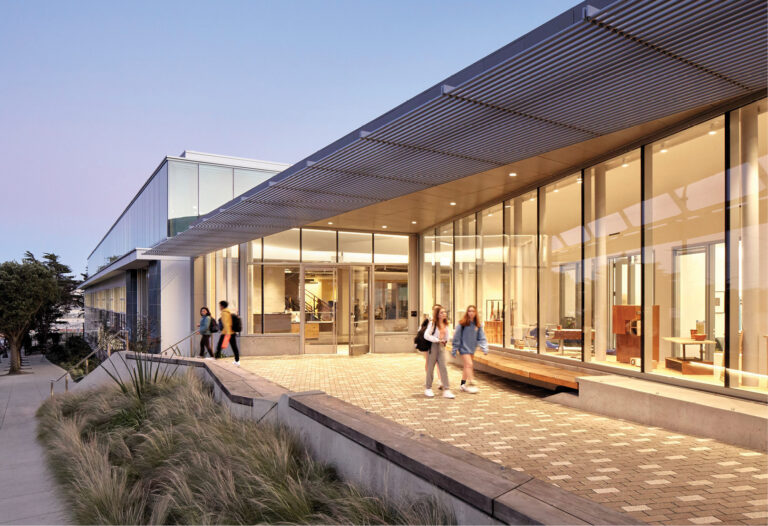
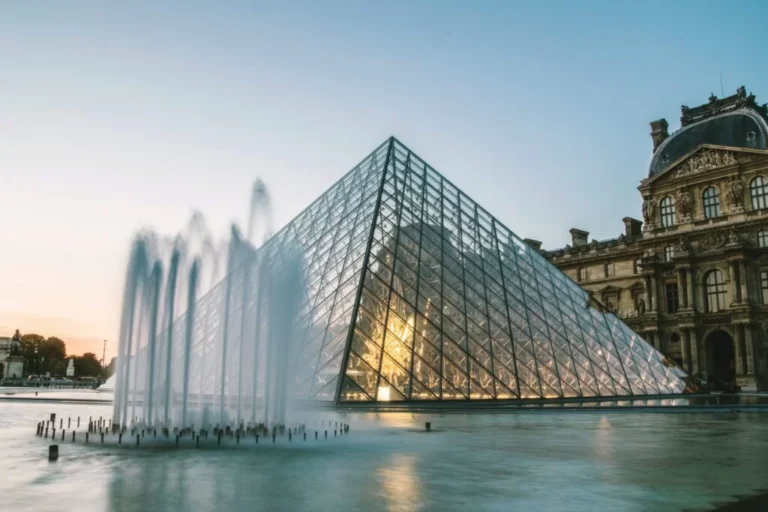
The architectural landscape of North America has undergone a quiet but profound transformation over the last decade, moving away from the stark utilitarianism of clear float glass toward a more expressive, textured, and functional vernacular. Best Decorative Glazing United States. Decorative glazing, once reserved for the stained-glass windows of cathedrals or the opulent lobbies of Gilded Age hotels, is now a primary driver in high-performance building design. It represents a sophisticated intersection of material science, digital fabrication, and aesthetic intent.
Defining what constitutes the highest tier of craftsmanship in this field requires an understanding that “decorative” is no longer a synonym for “ornamental.” In the modern context, these surfaces are frequently tasked with managing solar heat gain, ensuring bird-safety compliance, and providing acoustic dampening—all while serving as a visual centerpiece. The complexity of the supply chain and the divergence in regional manufacturing capabilities mean that achieving an optimal result involves balancing local availability with specialized fabrication techniques that can only be found in a handful of high-capacity facilities.
The challenge for architects and developers lies in navigating the sheer breadth of the market. From digitally printed ceramics to dichroic films and kiln-cast textures, the options are vast, and the risks of improper specification are high. A failure to account for thermal stress, interlayer compatibility, or maintenance accessibility can turn a flagship design element into a long-term liability. This examination seeks to provide a definitive framework for assessing the domestic market and the technical imperatives behind successful decorative glazing execution.
Understanding “best decorative glazing united states”
To identify the best decorative glazing united states market participants can offer, one must look beyond the visual sample. The “best” in this category is rarely defined by a specific pattern or color, but rather by the harmony between aesthetic ambition and structural permanence. A common misunderstanding among specifiers is the belief that decorative glazing is merely a surface treatment. In reality, every etch, print, or interlayer adjustment changes the physical behavior of the glass, affecting its heat absorption, light transmittance, and structural integrity.
Oversimplification in this sector often leads to “value engineering” that strips away the very attributes that make a project successful. For example, substituting a high-end digital ceramic frit with a lower-cost organic screen print might look identical on day one, but the divergence in UV stability and abrasion resistance becomes apparent within five years. The domestic market is uniquely segmented between large-scale industrial fabricators capable of thousands of square feet of consistent output and boutique studios that specialize in artisanal, one-off kiln-cast pieces.
The search for excellence in this field involves a three-pronged assessment:
-
Technical Sophistication: Does the fabricator possess the machinery to achieve tight tolerances in registration and color consistency?
-
Compliance and Safety: How does the decorative element interact with local building codes, specifically regarding tempering and lamination safety standards?
-
Longevity and Life-Cycle: Is the decorative medium integrated into the glass (frit/etch) or applied as a secondary layer (film/laminate), and what are the implications for the building’s 30-year maintenance cycle?
Deep Contextual Background
The trajectory of decorative glazing in the U.S. began with the labor-intensive hand-cutting of leaded glass. However, the true systemic shift occurred with the industrialization of the float glass process and the subsequent development of architectural lamination. By the mid-20th century, the focus shifted toward tinted and reflective glasses meant to lower cooling costs in the burgeoning “glass box” skyscrapers of the International Style.
In the 1990s and early 2000s, the introduction of ceramic frit technology allowed architects to apply dots and lines to glass surfaces for solar shading. This was the precursor to the current era of digital ceramic printing, which allows for photographic-quality imagery and complex gradients to be fused directly into the glass surface at high temperatures. Today, the evolution is driven by the “Bird-Safe” legislation appearing in cities like New York and San Francisco, where decorative glazing has moved from an aesthetic choice to a regulatory necessity. The history of the medium is a move from the artisanal to the automated, and now to the integrated-functional.
Conceptual Frameworks and Mental Models
Navigating high-end glazing requires specific mental models to avoid the pitfalls of surface-level selection.
The “Substrate-First” Framework
The decorative element is only as stable as the glass substrate it occupies. One must evaluate the base glass (Clear vs. Low-Iron) before considering the decoration. Low-iron glass is the prerequisite for the best decorative glazing united states fabricators produce, as the green tint of standard float glass will distort color accuracy and diminish the vibrance of the decorative work.
The Energy Balance Equation
Every decorative addition to a glass pane alters the Shading Coefficient (SC) and the Solar Heat Gain Coefficient (SHGC). A mental model that views “decoration as insulation” allows architects to use patterns not just for beauty, but to reduce the mechanical load on the building’s HVAC system.
The Maintenance Accessibility Loop
If a decorative glass unit is placed in a location where replacement or cleaning is difficult, its “beauty” is on a timer. The longevity of the asset is inversely proportional to the complexity of the cleaning required. If the texture is on “Surface 1” (the exterior), it must be able to withstand the friction of automated window-washing rigs.
Key Categories of Decorative Glazing
The domestic market offers several distinct pathways for achieving decorative effects, each with specific trade-offs.
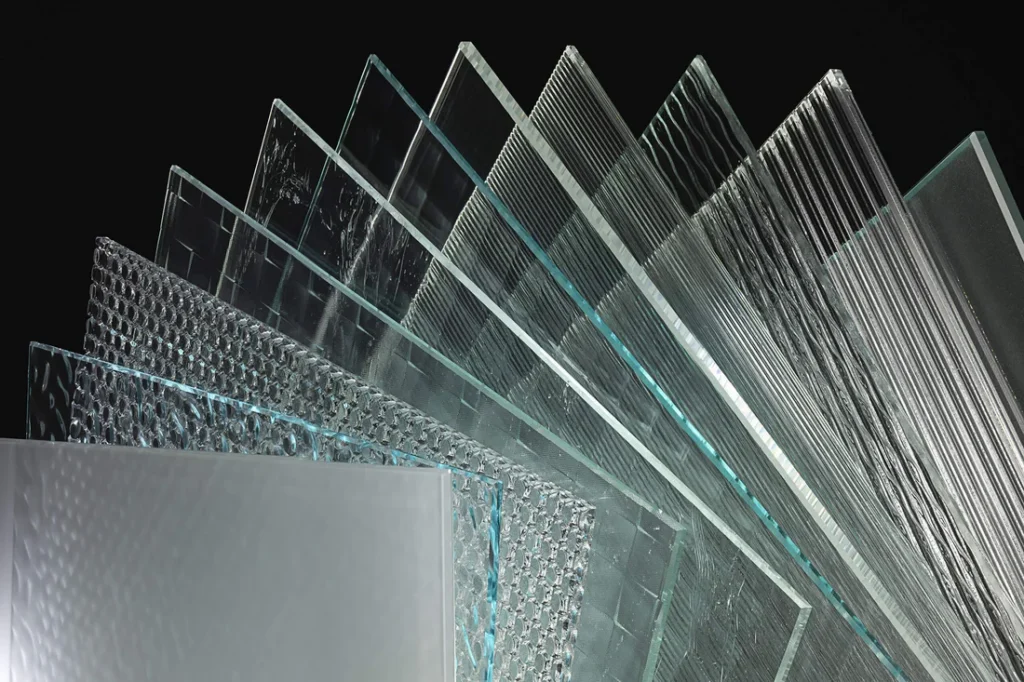
| Category | Primary Benefit | Technical Trade-off | Ideal Use Case |
| Ceramic Digital Printing | Infinite detail; permanent fusion. | Opaque colors can increase thermal stress. | Large-scale murals; Bird-safe patterns. |
| Acid Etching | Soft light diffusion; fingerprint resistant. | Limited color palette (monochromatic). | Interior partitions; privacy screens. |
| Kiln-Cast/Slumped | High tactile texture; 3D depth. | High cost; difficult to laminate/temper. | Luxury lobbies; feature walls. |
| Dichroic Laminates | Shifting color based on light angle. | Complexity in edge sealing; delamination risk. | Iconic landmarks; artistic accents. |
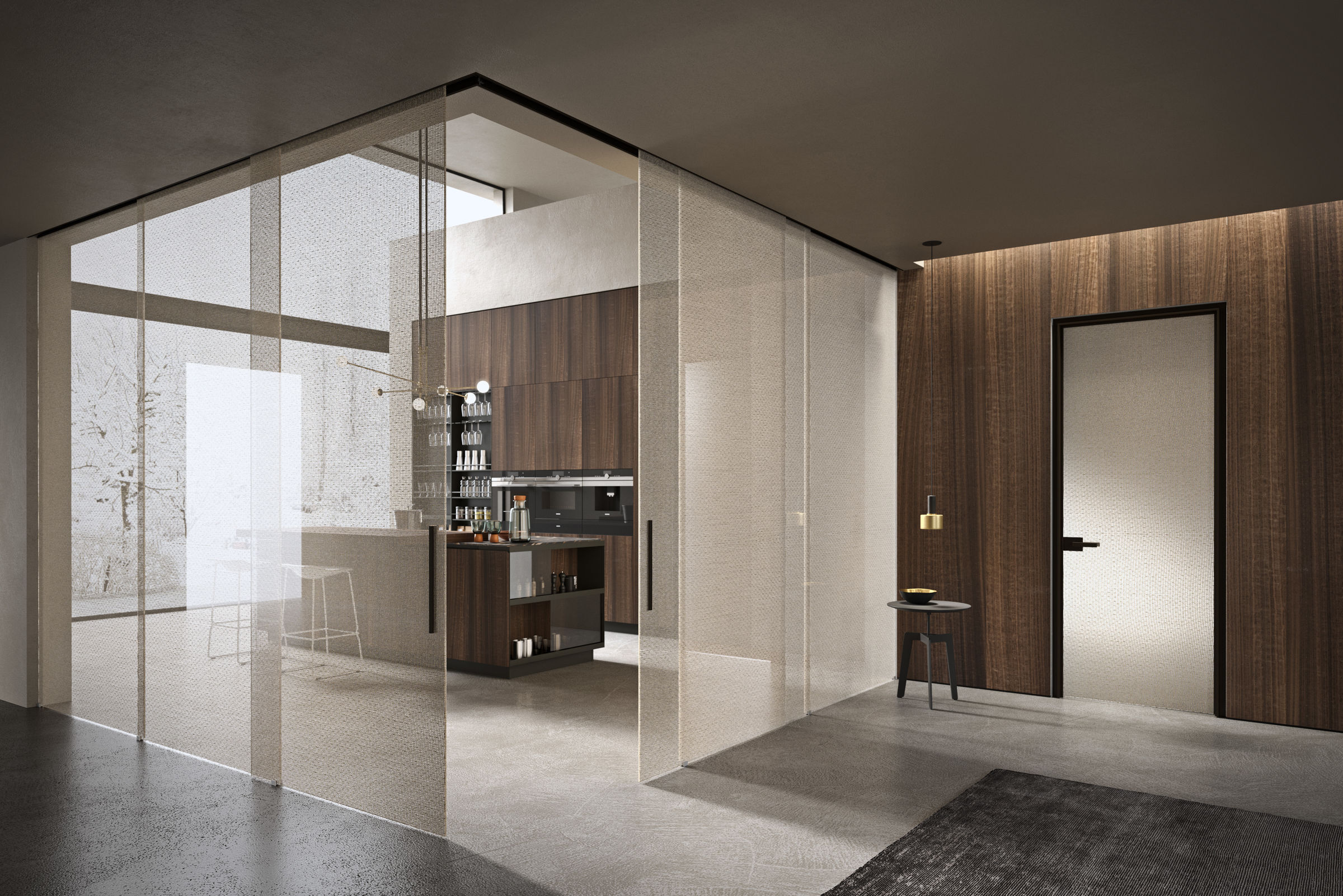
| Textile/Mesh Interlayers | Unique organic texture; high depth. | Weight increases; edges must be protected. | High-end retail; boutique hotels. |
| Sandblasting | High customization for small runs. | Porous surface attracts oils/dirt. | Signage; low-touch areas. |
Decision Logic for Category Selection
The path to the best decorative glazing united states standards provide starts with identifying the “Primary Stressor.” If the glass is exterior and subject to high wind loads, digital ceramic frit is the logical choice due to its permanence. If the project is an interior high-traffic area where privacy is paramount, acid-etched glass (like satin finishes) is superior because it does not show oils or scratches as readily as printed or coated glass.
Detailed Real-World Scenarios Best Decorative Glazing United States
Scenario 1: The “Bird-Safe” High-Rise
A developer in a coastal city must comply with bird-collision regulations. The choice is between an external UV coating (invisible to humans) and a visible ceramic frit pattern. The ceramic frit is selected for its 50-year durability, but the second-order effect is a 12% reduction in interior natural light. The decision point rests on balancing regulatory compliance with the comfort of the building’s occupants.
Scenario 2: The High-Traffic Retail Interior
A flagship store requires a large-scale logo on glass partitions. Sandblasting is considered but rejected because of its susceptibility to fingerprint staining. The team pivots to a “Surface 2” digital print—where the ink is inside the laminate. This ensures the design is protected from cleaning chemicals and physical abrasion, albeit at a higher initial price point.
Scenario 3: The Thermal Stress Failure
A dark-colored digital print is applied to standard clear glass in a South-facing elevation. Because the dark print absorbs more solar energy than the surrounding glass, it creates a temperature differential that leads to a “thermal break” crack. The failure mode here is a lack of heat-soak testing and improper tempering.
Planning, Cost, and Resource Dynamics
The economics of decorative glazing are driven by “Batch Logic.” Setup costs for digital printers and kilns are high, making single-unit replacements disproportionately expensive.
| Project Scale | Cost Range (per sq/ft) | Lead Time | Resource Intensity |
| Artisanal/Boutique | $150 – $400 | 12 – 20 Weeks | High (Hand-crafted) |
| Mid-Market/Commercial | $60 – $120 | 8 – 12 Weeks | Moderate (Automated) |
| Bulk/Industrial | $30 – $55 | 6 – 10 Weeks | Low (Standardized) |
Opportunity Costs
Choosing a highly specialized decorative glass often means committing to a specific fabricator for the life of the building. If that fabricator goes out of business or discontinues a specific interlayer, a single broken pane may require replacing an entire section of the facade to maintain visual consistency.
Tools, Strategies, and Support Systems
-
Color Spectrophotometry: Essential for ensuring that a reprint five years from now matches the original install.
-
Lamination Autoclaves: The quality of the “cook” determines the long-term clarity of decorative interlayers.
-
Heat-Soaking Ovens: A critical safety step for tempered glass to prevent spontaneous breakage due to nickel sulfide inclusions.
-
Mock-up Evaluations: Never specify decorative glass without a full-scale 4×4 mock-up viewed in both direct and indirect sunlight.
-
Edge Sealing Technology: For dichroic or mesh interlayers, edge sealing prevents moisture ingress which causes clouding.
Risk Landscape and Failure Modes
-
Delamination: Most common in layered products where the decorative element interferes with the bond between the glass and the PVB/SentryGlas interlayer.
-
Registration Drift: In multi-pane murals, a shift of even 2mm in the print can ruin the visual alignment across the facade.
-
Parallax Errors: In IGU (Insulated Glass Units), placing patterns on both Surface 2 and Surface 3 can create a dizzying visual effect for viewers moving past the glass.
-
Incompatibility: Silicone sealants reacting with organic inks, leading to bleeding or discoloration at the edges of the pane.
Governance, Maintenance, and Long-Term Adaptation
A robust governance plan for decorative assets includes:
-
The 2-Year Adhesion Check: For any film-based or non-fused decorations, check for edge peeling.
-
The Replacement Attic Stock: Require 5-10% extra glass to be produced during the initial run and stored on-site. This is the only way to guarantee a perfect color match in the future.
-
Cleaning Agent Restrictions: Explicitly banning abrasive pads or alkaline cleaners that can etch the glass surface or degrade ceramic prints over time.
Measurement, Tracking, and Evaluation
Evaluating the best decorative glazing united states projects often requires qualitative and quantitative data.
-
Qualitative: “Does the pattern disappear into a ‘muddied’ look at a distance of 50 feet?”
-
Quantitative: Delta-E color variance (should be < 1.0 for high-end work); VLT (Visible Light Transmittance) percentage consistency across different batches.
Common Misconceptions
-
Myth: “Digital printing is just like a paper printer.” Correction: The “ink” is actually ground glass and pigments that must be fired at over 1,000°F.
-
Myth: “Etched glass is harder to clean than clear glass.” Correction: Modern acid-etched glass is non-porous and often easier to maintain than clear glass, which shows every streak.
-
Myth: “Laminated decorative glass is unbreakable.” Correction: It stays in the frame when broken, but it is just as susceptible to impact as standard glass.
-
Myth: “You can’t do decorative glass on High-E coatings.” Correction: You can, but the print must usually be on a different surface than the coating to avoid chemistry conflicts.
Conclusion
The evolution of the best decorative glazing united states can offer is a testament to the industry’s ability to merge the poetic with the practical. We have moved past the era where glass was merely a void in the wall; it is now a canvas that performs. The durability of these systems is no longer a matter of luck but a result of rigorous engineering and a deep understanding of material interactions.
As we look forward, the integration of “smart” technologies—such as electrochromic layers combined with decorative patterns—will further blur the line between aesthetic choice and environmental performance. For the architect and the owner, the key remains a commitment to the long-term view: selecting materials and fabricators that prioritize the invisible technical foundations as much as the visible surface beauty. In the high-stakes world of architectural glazing, the most beautiful glass is the one that remains unchanged fifty years after the scaffolding is removed.